

ASEAN ambassadors review Gulf electricity interconnection in Dammam
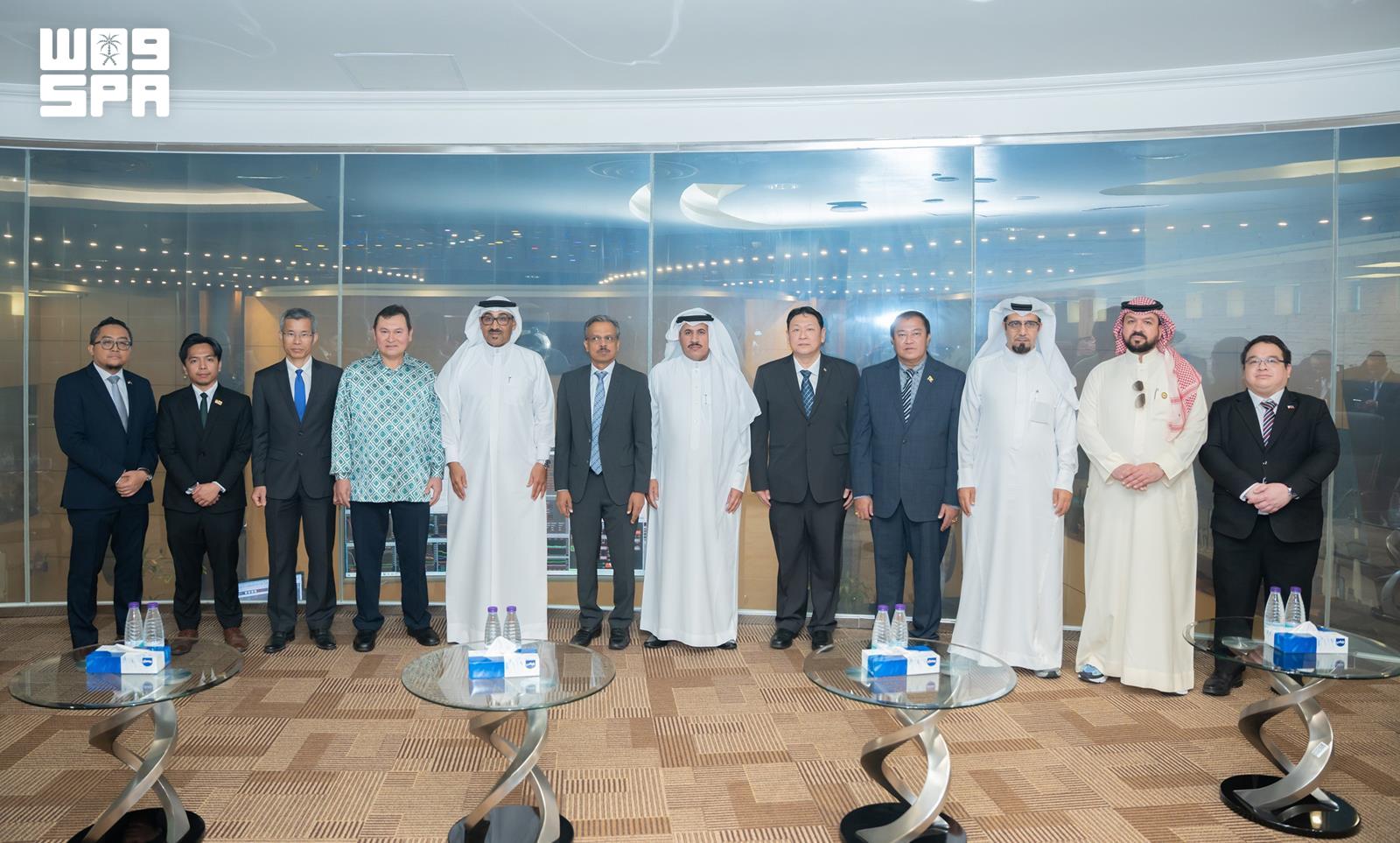
ASEAN ambassadors visited the Gulf Cooperation Council Interconnection Authority in Dammam to learn about the region’s energy security experience.
Key Takeaways
AIAmbassadors from the Association of Southeast Asian Nations (ASEAN) accredited to Saudi Arabia reviewed the Gulf electricity interconnection experience in enhancing energy security and reliability during a visit to the Gulf Cooperation Council Interconnection Authority (GCCIA) headquarters in Dammam. The visit was attended by Musab Al-Fadhala, Director of Energy at the GCC General Secretariat.
The visit aimed to introduce the ambassadors to the Gulf Cooperation Council’s experience in electrical interconnection and regional integration in the energy sector. The delegation was briefed on the achievements of the GCC electricity interconnection project, the challenges it faced, and the lessons learned, as one of the region’s most prominent joint strategic infrastructure projects.
The delegation learned about the authority’s plans, expansion projects, and ongoing efforts to strengthen the interconnection network. They also toured the control center to observe network management and monitoring mechanisms, and the center’s role in supporting the stability of member states’ power systems.
The ambassadors were also introduced to energy trading activities and the latest technologies used in the maintenance and development of network assets, aimed at providing broader options for energy exchange and meeting growing development needs.
Regional cooperation and knowledge exchange
GCCIA CEO Ahmed Al-Ebrahim highlighted the importance of the visit in promoting knowledge exchange between the GCC and ASEAN countries. He noted that the authority continues to develop and expand the network and is exploring prospects for interconnection with neighboring countries and regions.
The delegation also discussed opportunities to enhance cooperation and knowledge sharing in electrical interconnection, energy security, and network development, as well as the authority’s role in supporting national grids during emergencies and boosting their resilience to meet the fast-evolving challenges in the energy sector.