

Aseer Farmers Carry Out Traditional Corn Thinning to Boost Crop Production
Aseer Farmers Carry Out Traditional Corn Thinning to Boost Crop Production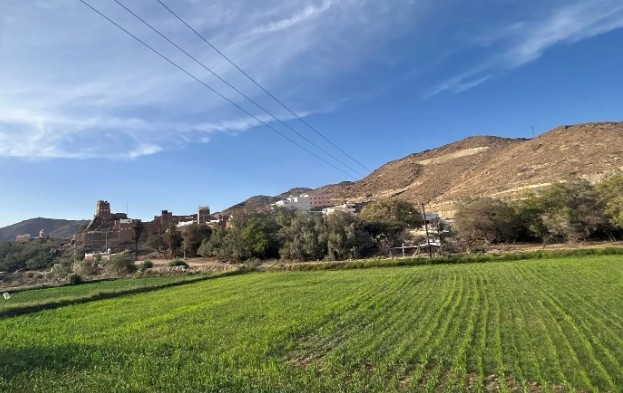
Key Takeaways
AIFarmers across Saudi Arabia’s Aseer region have begun thinning their corn crops, a long-standing agricultural practice aimed at improving plant health and maximizing yields.
The technique, passed down through generations, remains an integral part of the region’s farming heritage and rural economy.
Agricultural researcher Mu'eed Al-Mu'nis said corn cultivation in Aseer follows seasonal patterns traditionally linked to the appearance of the Pleiades star cluster, a natural indicator that has historically helped farmers determine the ideal time for planting and field preparation.
Thinning, carried out shortly after germination, involves removing excess plants and weeds that compete for moisture and nutrients.
The process reduces overcrowding, improves airflow between rows, and allows the strongest plants to develop more effectively, contributing to higher-quality harvests.
Corn production in the region progresses through several stages, including land preparation, sowing in moist soil, germination, thinning, weeding, and protective bagging, before advancing to flowering, ear development, and harvest.
Through the continued use of traditional farming knowledge and soil-management practices, Aseer’s growers are helping preserve the region’s agricultural legacy while supporting sustainable crop production.