

Trump-era tariffs reshape US trade policy landscape, Bloomberg says
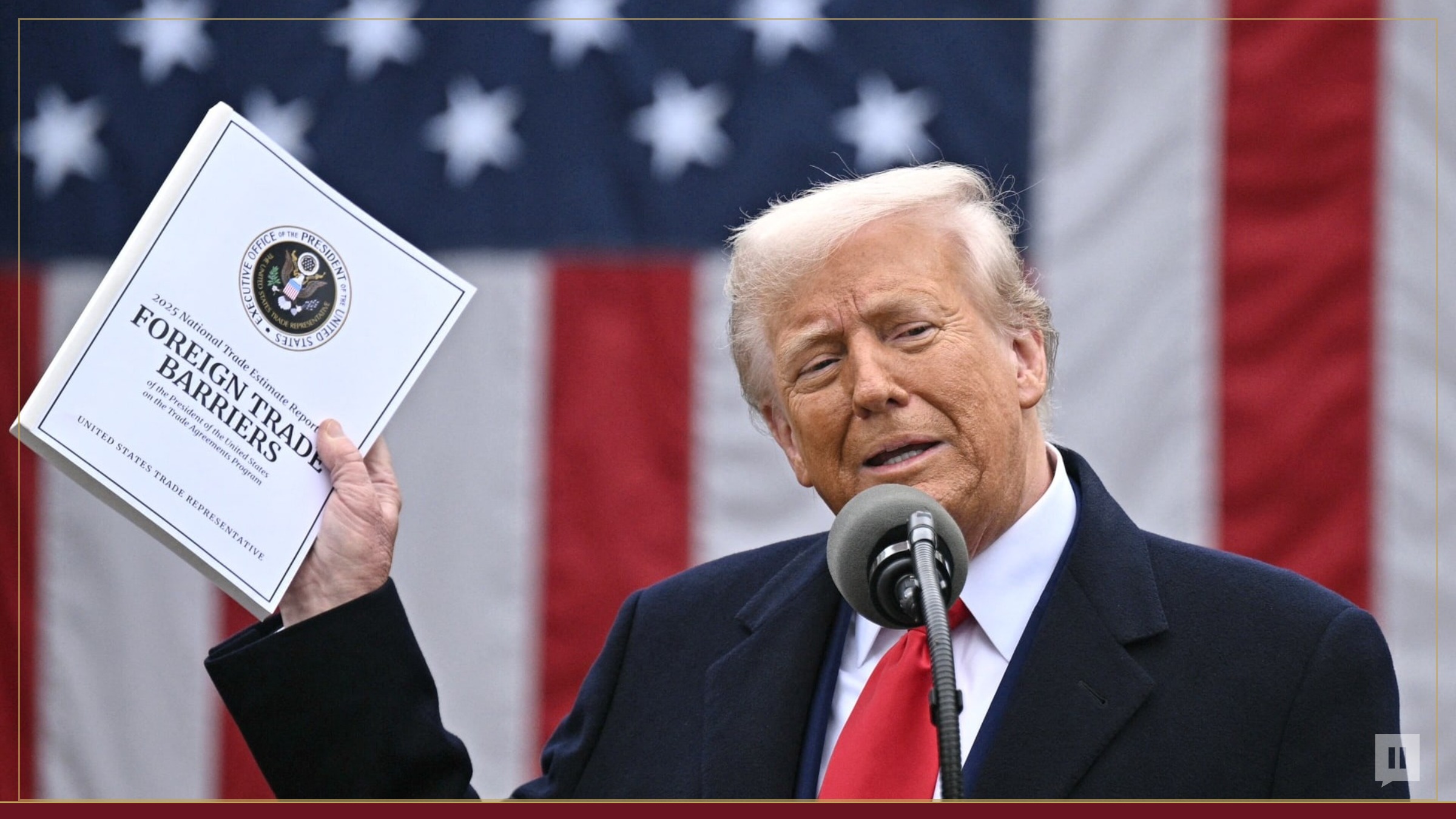
Bloomberg reports that tariffs imposed by Donald Trump are cementing a new reality in US trade policy, making their full removal unlikely for future administrations.
Key Takeaways
AIBloomberg has reported that tariffs imposed by former US President Donald Trump, despite widespread domestic and international criticism, are establishing a new reality in American trade policy. The agency noted that it is now expected to be difficult for any future administration to fully abandon these tariffs, given the leverage and revenue they provide for the US Treasury.
The agency added that Trump, who has long pursued a protectionist trade approach, believes the tariffs have strengthened the US economy and uses them as a bargaining tool in negotiations with trade partners. He continues to threaten further tariffs on allied nations, even as their popularity declines among voters amid rising living costs and inflation.
Bloomberg also explained that experts believe any future US president, even from the Democratic Party, may only make adjustments to these tariffs to improve relations with allies and mitigate their economic impact, rather than abolishing them entirely. The agency cited President Joe Biden's decision to keep most of Trump's tariffs on China in place, and even expand some of them. Bloomberg pointed out that the latest package of tariffs, which took effect on Friday, imposes duties ranging from 10% to 12.5% on imports from most trading partners. These measures are based on accusations by the Trump administration that those countries have not done enough to prevent forced labor in supply chains—allegations several nations have denied as lacking evidence.
The agency quoted an official from a European Union country as saying it is unlikely these tariffs will be lifted in the near future, and that a return to pre-Trump tariff levels appears improbable, given the ongoing US trend of using tariffs as a trade policy tool regardless of the ruling party.
In the same context, an estimate by the US Tax Policy Center showed that tariffs could generate about $1.7 trillion for the US Treasury over the next ten years, including around $179 billion in 2026. However, revenues are expected to gradually decline as reliance on high-tariff imports decreases.
The agency noted that while these tariffs have helped boost revenue and reduce the budget deficit in the short term, they may negatively affect economic growth. Furthermore, the latest round of tariffs will only offset less than 60% of the revenue lost after the Supreme Court struck down previous emergency tariffs.
Bloomberg added that Trump continues to adjust some tariffs rather than roll them back, recently deciding to halve tariffs on certain aluminum imports to encourage increased domestic production and smelting, after acknowledging ongoing supply shortages for the US economy and defense sector. The agency also pointed out that tariff policy has become a central issue in political campaigns ahead of the midterm congressional elections, with Democrats using the issue to accuse the Trump administration of contributing to rising prices.
The agency concluded that the US government's growing reliance on tariff revenues, along with their role as a key negotiating tool in trade policy, will make it difficult for future administrations to fully abandon them, even as political and economic pressures to reconsider the tariffs intensify.