

Sharp drop in Hormuz Strait shipping as Middle East tensions rise
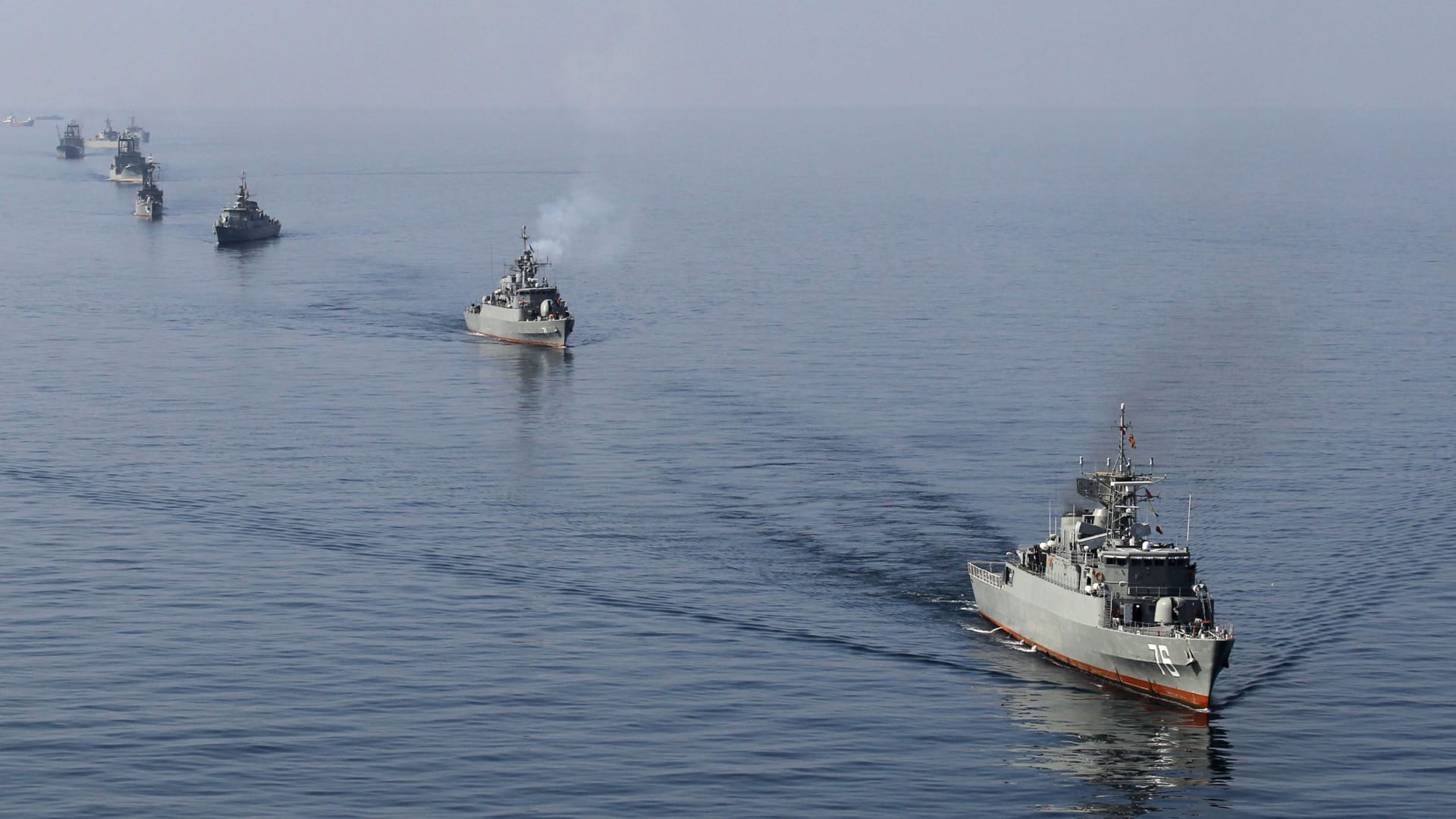
Shipping traffic through the Strait of Hormuz fell to just 12 vessels early this week amid regional tensions, while Saudi oil exports saw a notable increase.
Key Takeaways
AIRecent shipping data shows the number of commodity vessels passing through the Strait of Hormuz fell to just 12 at the start of the week, down from 35 the previous week, as tensions persist in the Gulf and the standoff between the United States and Iran continues.
Visible maritime traffic through the strait—which previously carried about a fifth of the world’s oil and liquefied natural gas supplies before the outbreak of war—has dropped to extremely low levels. Nevertheless, Middle Eastern producers continue to export oil using tankers that switch off their transponders while transiting the strait.
Shipping and vessel movements
According to preliminary data from analytics firm Kpler, only four vessels could be tracked on Sunday: two refined oil product tankers and two empty bulk and gas carriers exited the strait, while two small oil tankers entered the Gulf. The data also showed that five ships left the Gulf on Saturday carrying agricultural products, liquefied petroleum gas, and fertilizers, while an empty giant gas carrier entered.
Before the US-Israeli conflict with Iran began on February 28, the strait saw about 125 large commercial ships pass through daily, including oil and gas tankers, bulk carriers, and container ships.
Meanwhile, Houthi attacks on Saudi Aramco’s East-West pipeline have prompted the company to increase exports via the Strait of Hormuz for this month and next, after halting some shipments through Yanbu port. This has helped Saudi Arabia, OPEC’s largest producer, boost exports to over 4 million barrels per day since early September, up from 2.4 million barrels per day in August—the lowest level since at least 2013, according to Kpler data.
Kpler data also showed that 13 tankers—most of them very large crude carriers transporting 34 million barrels of crude—left the strait in the week ending September 13. Saudi Arabia accounted for half of these exports, with Iraq providing 35 percent of the volume.
Middle East oil flows
Analysts at J.P. Morgan noted in a September 18 report that Middle East oil flows have remained surprisingly robust despite disruptions to Saudi Arabia’s East-West pipeline. They added that total oil flows averaged 17.1 million barrels per day over the past ten days, only about 6.1 million barrels per day below the 2025 average.
Similarly, satellite data showed that Saudi oil shipments through the Strait of Hormuz averaged 2.9 million barrels per day over the past six days, up from just 700,000 barrels per day in August.