

Iraq opens new northern land routes to export surplus oil products
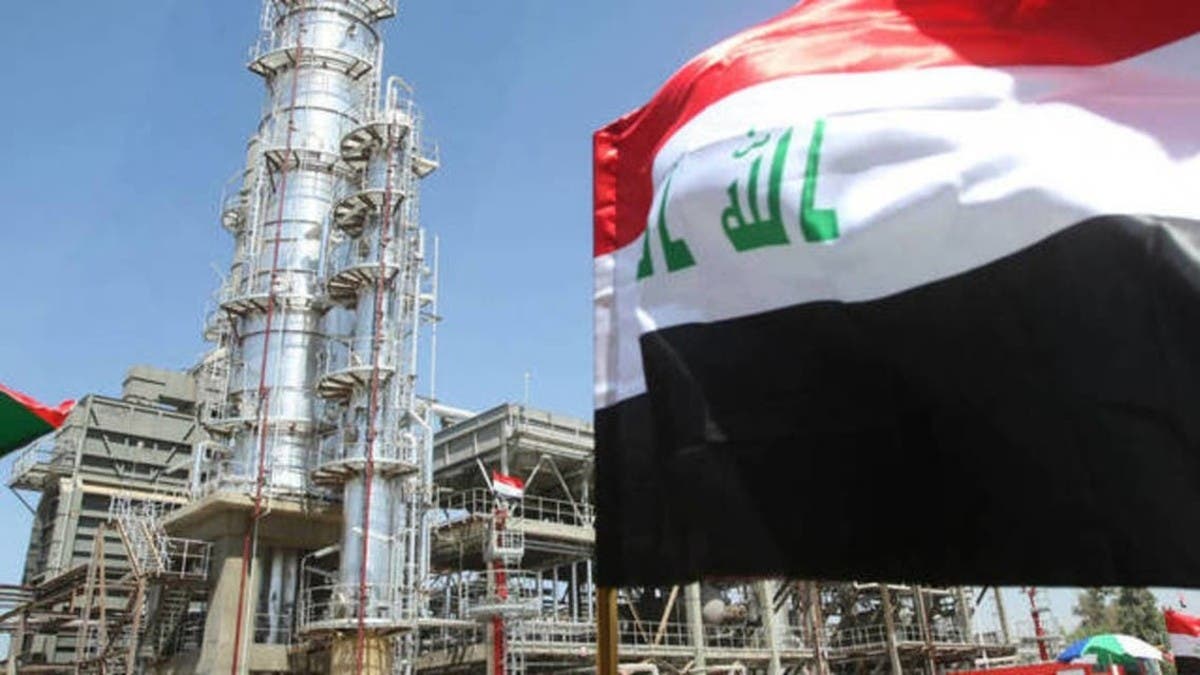
Iraq’s South Refineries Company has begun using northern land routes to export surplus fuel oil and naphtha after disruptions at Khor Al-Zubair port.
Key Takeaways
AIIraq’s South Refineries Company announced on Sunday that its daily gasoline production stands at 6,000 cubic meters, affirming that local market demand continues to be fully met.
According to the Iraqi News Agency, the company said it has adopted new northern land routes for exporting surplus fuel oil and naphtha, in coordination with the State Oil Marketing Organization (SOMO), after export operations through Khor Al-Zubair port were affected by military developments in the region.
Hussam Hussein, Director General of the South Refineries Company, stated that the company continues to produce around 250,000 barrels per day of oil derivatives. He noted that the recent events have only impacted the export of surplus fuel oil and naphtha, and have not affected gasoline production.
He added that the three operational production units currently generate about 6,000 cubic meters of gasoline daily, helping to stabilize the local market.
Hussein explained that the design capacity of the Basra refinery is 280,000 barrels per day, but high summer temperatures have led to a reduction in operations to around 250,000 barrels per day to maintain unit efficiency.
He noted that the refinery is currently running three production units with a combined capacity of about 180,000 barrels per day, and a fourth unit is brought online when surplus disposal increases, raising operational capacity to about 250,000 barrels per day.
He confirmed that the company recently imported quantities of gasoline and gas oil due to the shutdown of one production unit and lower inventories, stressing that the local market remains stable and its needs are being met through both domestic production and imports.