

Qassim farmers prepare land for winter planting season
Farmers in Qassim are gearing up for the winter planting season, taking advantage of favorable weather to boost local production and support food security.
Key Takeaways
AIAs the winter planting season begins, the Qassim region is witnessing increased agricultural activity and early preparations by farmers and those involved in the sector. They aim to take advantage of favorable weather conditions during this period by preparing farmland and planting seasonal crops, which will help boost local production, diversify the range of agricultural products, and support food security and agricultural sustainability goals.
Qassim is considered one of Saudi Arabia’s leading agricultural regions, thanks to its natural resources, production capabilities, and the accumulated expertise of its farmers. The region’s diverse agricultural activities include the production of dates, vegetables, field crops, and fodder, as well as the growing adoption of modern technologies and protected agriculture systems.
With moderate temperatures and the arrival of winter, preparations focus on readying the land, improving soil, and selecting suitable seeds and varieties for each crop, according to climate conditions and plant requirements. These steps ensure optimal use of the season and good yields in terms of both quality and quantity.
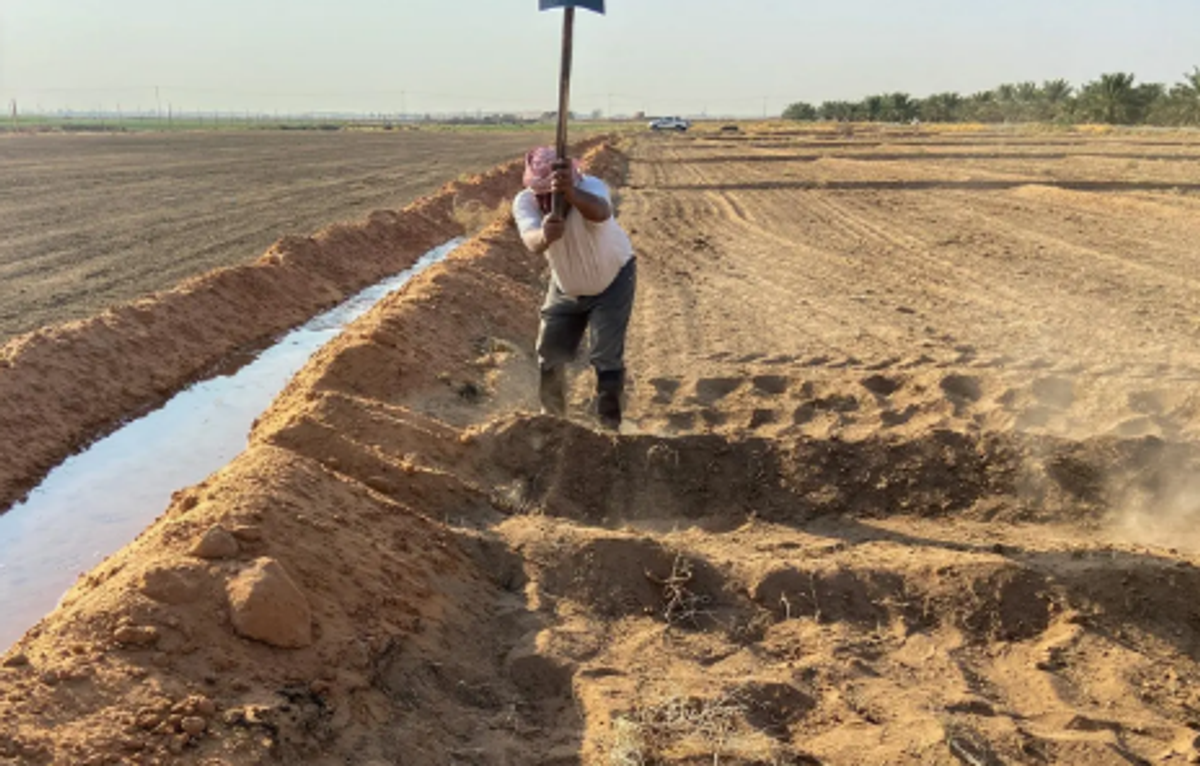
Land preparation tops the list of winter season preparations. This includes plowing and conditioning the soil, removing crop residues and weeds, leveling fields, inspecting irrigation systems to ensure efficiency, and adding soil amendments and organic fertilizers as needed for each crop and soil type.
Soil preparation is crucial to the success of the agricultural season, as it improves root growth, increases the soil’s ability to retain moisture, enhances nutrient uptake, and helps reduce problems related to plant diseases and pests.
Farmers are keen to select certified seeds and seedlings that are well-suited to the region’s climate, and to observe proper planting times, plant density, and spacing to balance crop needs, planted areas, and available resources.
The winter climate in Qassim allows for the cultivation of a wide range of vegetables suited to moderate conditions. These include leafy crops such as lettuce, arugula, spinach, coriander, and parsley; root crops like carrots, radishes, and turnips; bulb crops such as onions and garlic; and legumes like peas and green beans.
The list of winter crops also includes cauliflower, broccoli, and cabbage. Additionally, a number of fruiting vegetables such as tomatoes, cucumbers, peppers, eggplants, and zucchini can be grown under suitable technical and climate conditions, especially using greenhouses that provide controlled environments for plant growth.
Water resource management is a key concern for farmers during the winter season, as they seek to balance production needs with water conservation by adopting modern irrigation methods tailored to crop requirements.
Practices that improve water efficiency include the use of drip irrigation, monitoring soil moisture, scheduling irrigation based on weather and plant growth stages, fixing leaks in irrigation networks, and avoiding overwatering, which can harm crops.
Farmer Abdulrahman Al-Hammad told SPA of the importance of choosing crops and varieties suited to the local environment, adhering to best agricultural practices, utilizing technologies that boost production efficiency and reduce resource consumption, and prioritizing pest and disease prevention for the winter season. He noted that this requires regular crop monitoring from early growth stages, detecting early signs of infestation, and responding according to approved technical guidelines. Preventive measures include using healthy seedlings, cleaning fields and facilities, and implementing integrated pest management programs.
A successful winter agricultural season positively impacts Qassim’s economy by stimulating activities linked to agricultural production, creating job opportunities, and increasing the flow of products in local markets. Crop diversity provides consumers with more choices, strengthens supplies of fresh vegetables, supports food supply chains, and raises the economic value of agricultural products.