

Pomegranate production in Qassim exceeds 12,000 tons
Qassim’s pomegranate harvest surpasses 12,000 tons, with over 300,000 trees across 150 farms in Buraidah and surrounding governorates.
Key Takeaways
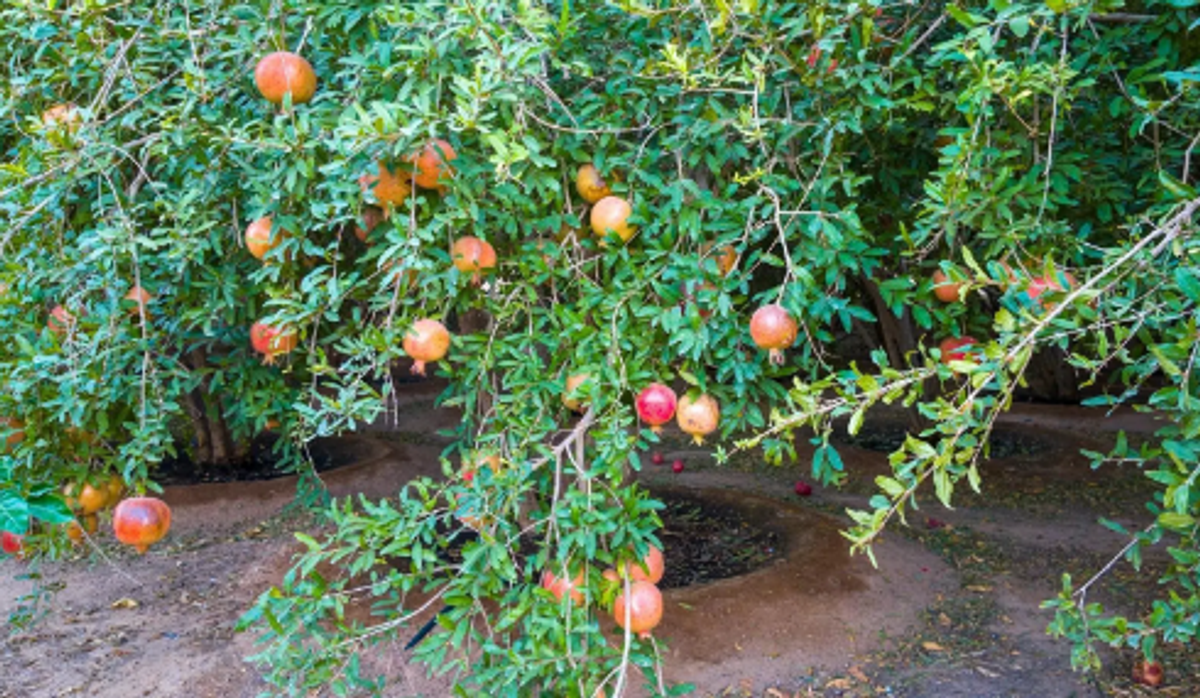
AIThe pomegranate farming sector in the Qassim region has seen notable activity during the harvest season, with production exceeding 12,000 tons. This output comes from more than 300,000 trees spread across 150 farms in Buraidah and several other governorates and centers, reflecting the expanding scale of pomegranate cultivation and its growing importance in the region’s agricultural activity.
Pomegranate cultivation is widespread in Buraidah, as well as the governorates of Al-Bukayriyah, Al-Rass, Al-Mithnab, Uyun Al-Jiwa, and Riyadh Al-Khubara. Farms in these areas grow several varieties, most notably Taif, Hijazi, and American pomegranates, which differ in their characteristics, flavors, and ripening times.
The Qassim branch of the Ministry of Environment, Water and Agriculture stated that the expansion of pomegranate farming is part of the region’s crop diversification efforts. The ministry noted that the variety of seasonal crops helps boost agricultural production and supports the presence of local products in the market.
Farmer Mohammed Al-Hassan explained that pomegranate seedlings are usually planted in February, emphasizing the importance of sourcing seedlings from trusted suppliers and caring for them through regulated irrigation, fertilization, and pest control. These practices help improve fruit quality and increase yields.
He added that the pomegranate harvest season begins in October and lasts for about one to one and a half months. Al-Hassan noted that lower temperatures during fruit ripening can enhance flavor, while soil type and irrigation water quality are key factors in successful pomegranate cultivation and productivity.
Al-Hassan also highlighted the importance of pruning and tree care, as well as sorting and grading fruits by size and quality before they reach the market, which increases their market value. Pomegranates are used for juices, salads, and molasses, and pruned branches are recycled on the farm.
As the harvest continues, pomegranates from Qassim farms reach retail outlets and markets, offering a variety of types and ripening times. This helps maintain supply and meet demand for the local product throughout the season.