

Saudi finance ministry releases 2027 preliminary budget statement: spending at SAR 1.39 trillion, revenues SAR 1.2 trillion
Saudi Arabia projects 2027 budget spending at SAR 1.39 trillion and revenues at SAR 1.2 trillion, with a deficit of 3.6% of GDP, the finance ministry announced.
Key Takeaways
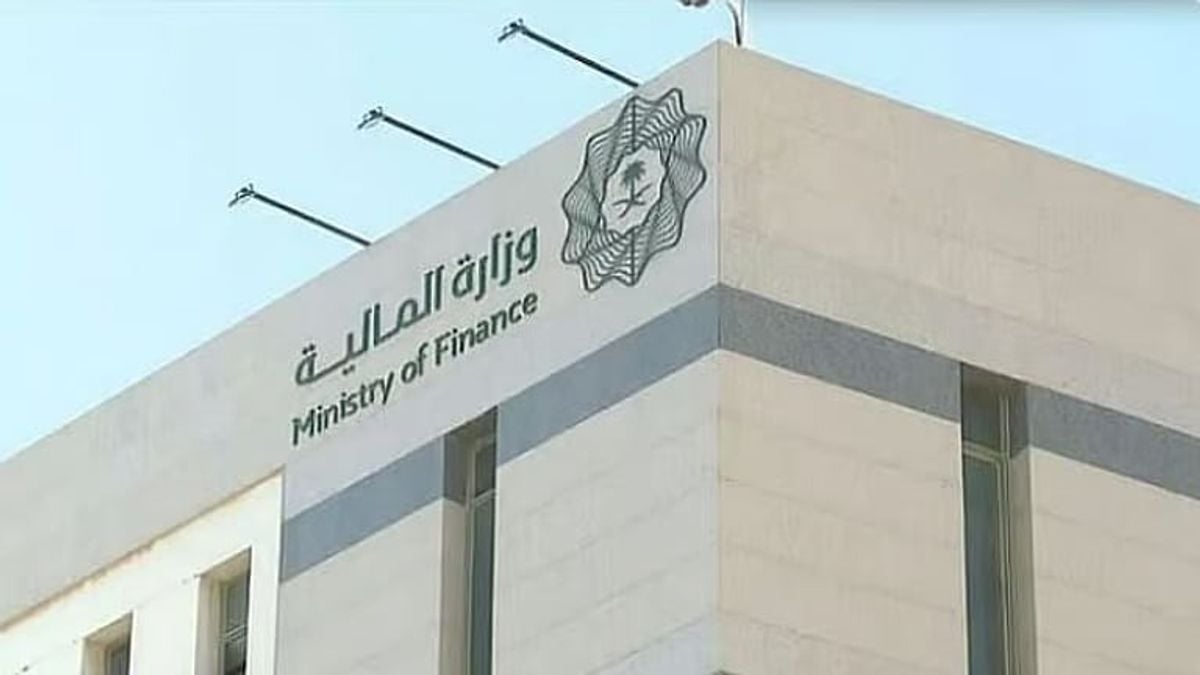
AIThe Ministry of Finance on Thursday released the preliminary statement for Saudi Arabia’s 1448/1449 AH (2027) state budget, projecting total expenditures at around 1.392 trillion riyals (SAR) and total revenues at about 1.202 trillion riyals, resulting in an estimated deficit of 3.6% of GDP. The statement emphasized a fiscal approach that balances economic growth support, continued implementation of development priorities, and maintaining fiscal sustainability.
The statement noted that the Saudi economy continues to benefit from reforms launched under Vision 2030, which have diversified the economic base, improved the business environment, and strengthened the private sector’s role. These reforms have boosted non-oil activities and their contribution to economic growth, while also enhancing the resilience of the Kingdom’s economy against shocks.
Ongoing economic diversification and reform initiatives are expected to support medium-term revenues, with total revenues forecast at 1.202 trillion riyals in 2027, rising to 1.351 trillion riyals by 2029. These initiatives have increased non-oil revenues from about 166 billion riyals in 2015 to 505 billion riyals in 2025, reinforcing the stability and sustainability of public revenues. Total expenditures are projected at 1.392 trillion riyals in 2027, reaching 1.544 trillion riyals in 2029, reflecting continued spending on strategic and development priorities and projects with economic and social returns.
The 2027 budget is expected to record a deficit of around 3.6% of GDP, in line with a fiscal policy based on long-term planning and fiscal sustainability. This enables the government to adopt balanced fiscal policies across economic cycles, supporting growth and the continued implementation of priority projects in pursuit of Vision 2030 targets.
Meanwhile, economic and geopolitical developments in 2026 have affected the pace of Saudi economic growth. Preliminary estimates indicate a 3.6% decline in real GDP, mainly due to oil activities, which are expected to fall by 21.8%. However, non-oil activities are projected to maintain positive growth of 3.2%, helping to offset the impact of lower oil activity.
The statement reviewed key economic indicators for 2026, showing non-oil activities grew by 1.8% in the first half of the year, with their contribution to GDP reaching a historic 57.3% during the same period. This was supported by strong domestic demand and private investment inflows. Initial forecasts also indicate inflation will rise to about 2.1% for the full year, while the unemployment rate among Saudis fell to 6.5% in the second quarter of 2026.
The statement explained that the government plans to continue both domestic and international financing operations in line with its medium-term debt strategy, through public and private channels, including the issuance of bonds, sukuk, and loans at fair costs. The government also aims to expand alternative financing for projects and infrastructure, as well as export credit agencies, during 2027 and the medium term.
Finance Minister Mohammed Al-Jadaan said the preliminary budget estimates for 2027 come amid a global economic environment marked by ongoing uncertainty and accelerating geopolitical developments. He noted that Saudi Arabia continues to manage its public finances with a long-term perspective, enhancing its ability to adapt to changes and maintain spending on strategic and development priorities, while preserving fiscal sustainability and financial strength.
He added: “The government continues to monitor economic and geopolitical developments and assess their potential impact on the global economy, supply chains, and energy markets, responding with flexible and proactive policies that support the economy and help achieve Vision 2030 goals.”
The finance minister affirmed that the government remains committed to implementing economic transformation plans that support growth and broaden the economic base, which in turn drives non-oil revenue growth and helps achieve more sustainable and stable revenues over the medium and long term.
He explained that the projected 2027 deficit is part of a fiscal policy aimed at maintaining the Kingdom’s strong financial position and enhancing fiscal sustainability, supporting growth, adapting to changes, and managing crises and urgent needs by maintaining sustainable levels of public debt and significant financial reserves.
It is noteworthy that this is the ninth consecutive year the preliminary statement has been issued, providing initial data that highlights the government’s ongoing efforts to increase transparency in public finance performance, enhance financial disclosure, and inform citizens, investors, and stakeholders about key economic developments and fiscal estimates for the coming year and the medium term.