
Saudi Arabia assumes presidency of Union of Arab Chambers
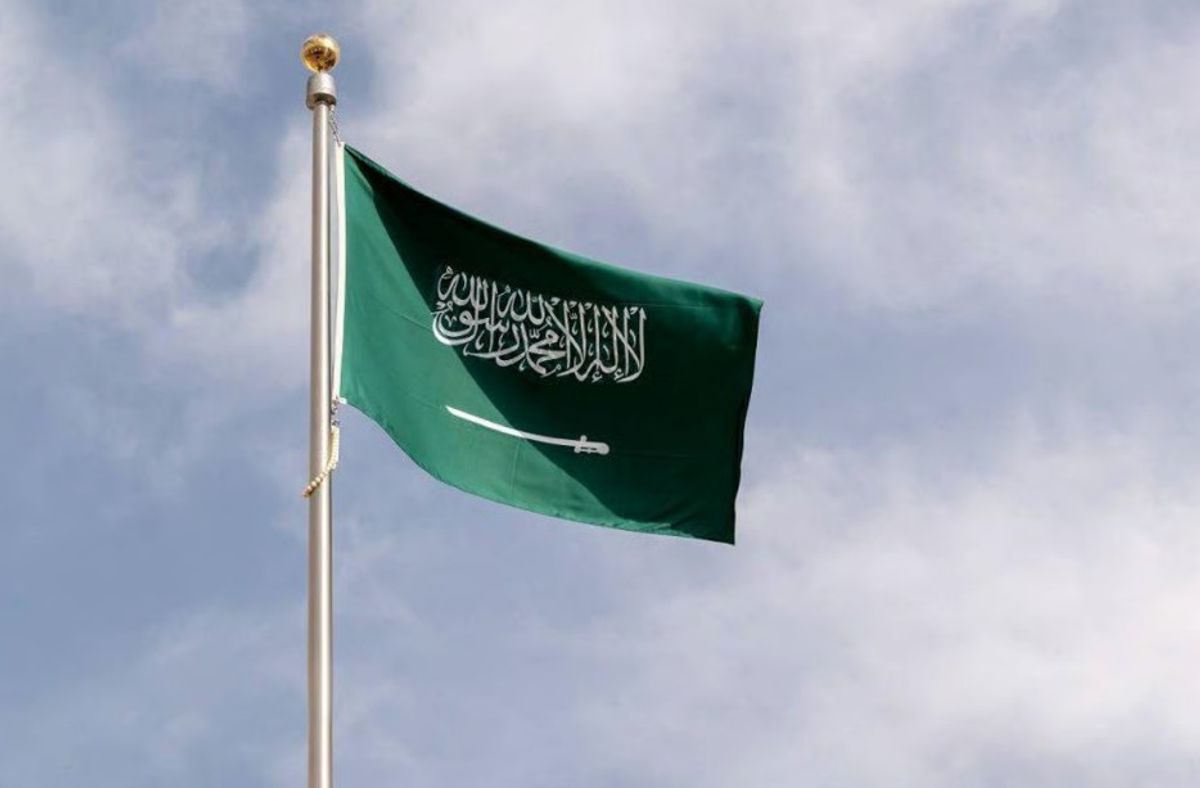
Saudi Arabia has taken over the presidency of the Union of Arab Chambers, represented by Abdullah Saleh Kamel, succeeding Tunisia under the alphabetical rotation system.
Key Takeaways
AISaudi Arabia has assumed the presidency of the Union of Arab Chambers for its new term, represented by Abdullah Saleh Kamel, President of the Federation of Saudi Chambers and President of the Islamic Chamber of Commerce and Development. The Kingdom succeeds Tunisia, in accordance with the alphabetical rotation system among Arab countries.
Saudi Arabia’s presidency coincides with the implementation of the Union’s 2026–2030 strategy, which aims to expand Arab economic integration by encouraging investment and joint production, linking capital to investment opportunities, developing value chains, empowering small and medium enterprises, and enhancing private sector participation in setting Arab economic priorities.
The upcoming phase will prioritize joint Arab investment, productive integration, food and industrial security, and digital transformation, while further integrating the Arab business community into regional and global value chains.
Saudi Arabia’s leadership comes as Vision 2030 enters its third phase for 2026–2030, focusing on accelerating implementation and maximizing impact. This phase is based on continued government capital spending and strengthening the roles of the Public Investment Fund and the National Development Fund in stimulating domestic investment, providing a supportive economic context for expanding investment and production partnerships.
The Union of Arab Chambers was established on December 16, 1951, and is headquartered in Beirut. It operates as a non-governmental Arab economic institution to promote joint Arab economic cooperation and integration, drawing on the membership of Arab chambers of commerce and industry and a network of joint Arab-foreign chambers.